
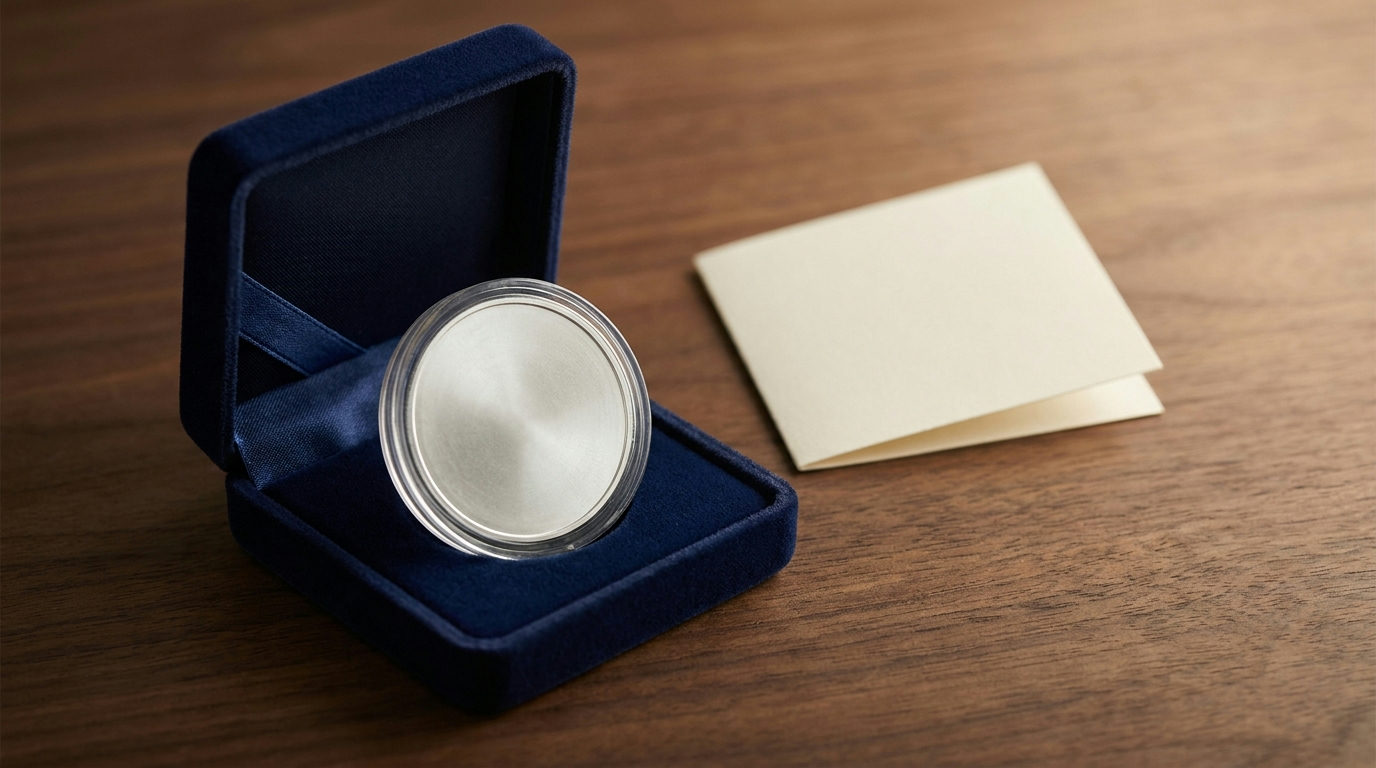
A gold or silver coin can make a memorable gift. It is tangible, it lasts, and it often carries more meaning than something bought in a hurry. Coins and small bars are popular for births, birthdays, graduations, weddings, anniversaries, and holidays. But gifting gold and silver works best with a little planning: choosing the right item, buying it sensibly, presenting it well, and making sure the recipient knows how to look after it. This guide covers each step.
This article is general education. It is not financial advice, tax advice, or legal advice. Silver Gold Today may earn a commission from some links on the site; see our affiliate disclaimer.
Why precious metals make good gifts
Precious metal gifts combine two qualities that rarely appear together. They are personal, because you can choose a design, a year, or a theme that means something to the recipient. They are also durable, because the metal itself does not wear out or go out of fashion. A coin given to a child can still be in the family decades later.
Metal gifts also start conversations. Many people remember their first silver coin. A gift can be a gentle introduction to saving, history, or collecting, without any pressure to treat it as an investment.
Step 1: Decide what the gift is for
Before you shop, decide what you want the gift to do. This shapes everything else.
- A keepsake. If the main purpose is sentimental, design and presentation matter most. A coin with a meaningful year or theme, beautifully packaged, may be ideal.
- A start to saving. If you want to give something that holds metal value with low cost, plain bullion coins or small bars from well-known producers make sense.
- A collecting hobby. If the recipient enjoys coins, a collectible piece or the first coin in a series can start something lasting. Our guide to bullion vs numismatic coins explains the difference.
Being clear about the purpose stops you from paying collector prices for a gift that was meant to be simple, or giving plain bullion when a keepsake would mean more.
Step 2: Choose the right gold or silver gift
Silver for affordable gifts
Silver is a popular choice for gifts because a recognizable coin is within reach of many budgets. Government mints such as the United States Mint issue silver bullion coins that are attractive and easy to present. Silver rounds from private mints offer many more designs, including holiday themes.
Gold for special occasions
Gold carries more value in a smaller size. Fractional gold coins, such as tenth-ounce pieces, and small gram bars are common choices for milestones. They usually carry a higher premium per ounce than larger pieces, which is a reasonable trade-off for a gift but worth knowing.
Proof and special finishes
Proof coins have mirror-like surfaces and frosted designs and often come in presentation boxes with certificates. They make striking gifts but cost more than standard bullion versions. If presentation matters, they can be worth it.
Things to avoid
- Products from unknown sellers with prices well below the market.
- “Colorized” or novelty pieces sold at high prices with little metal content, unless you specifically want the design.
- Items without clear weight and purity markings.
Gift ideas by occasion
If you are not sure where to start, matching the gift to the occasion helps.
- A new baby. A coin dated with the birth year is a classic choice. Some families add one coin each birthday, building a small collection the child receives when older.
- Graduation. A silver coin or small gold piece marks the moment and makes a quiet first step toward saving.
- Weddings and anniversaries. A pair of matching coins, or a coin dated with the wedding year, can be a thoughtful keepsake for a couple.
- Retirement. A higher-quality piece in a presentation case marks a long career in a way that lasts.
- Holidays. Many mints and private producers release seasonal designs each year, which can make a fun stocking filler or small gift.
Step 3: Buy sensibly
A gift is still a purchase, and the usual buying rules apply.
- Buy from an established dealer. Our guide on how to choose a bullion dealer explains what to look for.
- Compare total cost. Include shipping, insurance, and payment fees. See our guide to spot price vs premium.
- Order early for holidays. Popular products and presentation boxes can sell out, and shipping takes longer in busy periods.
- Keep the receipt. It helps with insurance, and the recipient may want it someday if they sell.
- Check what arrives. Inspect the item and packaging when it arrives, before you wrap it. Our checklist for buying gold online safely covers this.
Step 4: Present it well
Presentation turns a coin into a gift. A few ideas:
- Use a proper holder. A clear capsule protects the coin and lets it be seen. Many dealers sell gift boxes and display cases.
- Add a note. A short card explaining why you chose this coin, its year, or its design makes the gift personal.
- Include a care card. A few lines on how to handle and store the coin help the recipient keep it in good condition. Our guide on how to care for coins has the essentials.
- Consider a theme. A birth-year coin for a newborn, a coin from a meaningful country, or a design linked to a hobby adds meaning.
Gifting gold and silver to children
Coins can be wonderful gifts for children and a gentle way to talk about saving and history. Keep a few points in mind:
- Young children may handle coins roughly, so a sealed capsule is a good idea.
- Small coins can be a choking hazard for very young children. Present them in a secure holder and keep them stored out of reach.
- Consider who will look after the coin until the child is older, and where it will be kept.
- A simple record of each coin given over the years becomes a nice keepsake in itself.
Storage, insurance, and records
A single coin is easy to look after, but gifts can add up over time. Encourage recipients, or their parents, to keep metal somewhere safe and to note what they have. Our guide on how to store gold and silver covers the main options. For larger gifts, it may be worth checking whether home insurance covers precious metals.
Gift rules for tax purposes vary by country and depend on value and circumstances. For larger gifts, check with a qualified tax professional rather than assuming no rules apply.
Frequently asked questions
Is gold or silver a better gift?
Silver suits smaller budgets and lets you give a substantial-looking coin. Gold suits special milestones where you want something compact and precious. Both work well.
Should I give bullion or a collectible coin?
For a simple, lasting gift, bullion is usually best value. For someone who enjoys collecting, a collectible piece can mean more. Be clear which you are buying.
How should the recipient store a gifted coin?
In its capsule or holder, somewhere dry and secure, handled as little as possible.
Can I engrave a coin?
Some sellers offer engraving or personalized packaging. Engraving the coin itself usually reduces its resale appeal, so personalized packaging is often a better choice.
The bottom line
Gifting gold and silver works best when you decide the gift’s purpose first, choose an item that fits, buy from an established dealer, and present it with care. Add a personal note and a few care tips, keep the receipt, and order early for busy holiday periods. Done well, a coin can become a gift that stays in a family for years.