
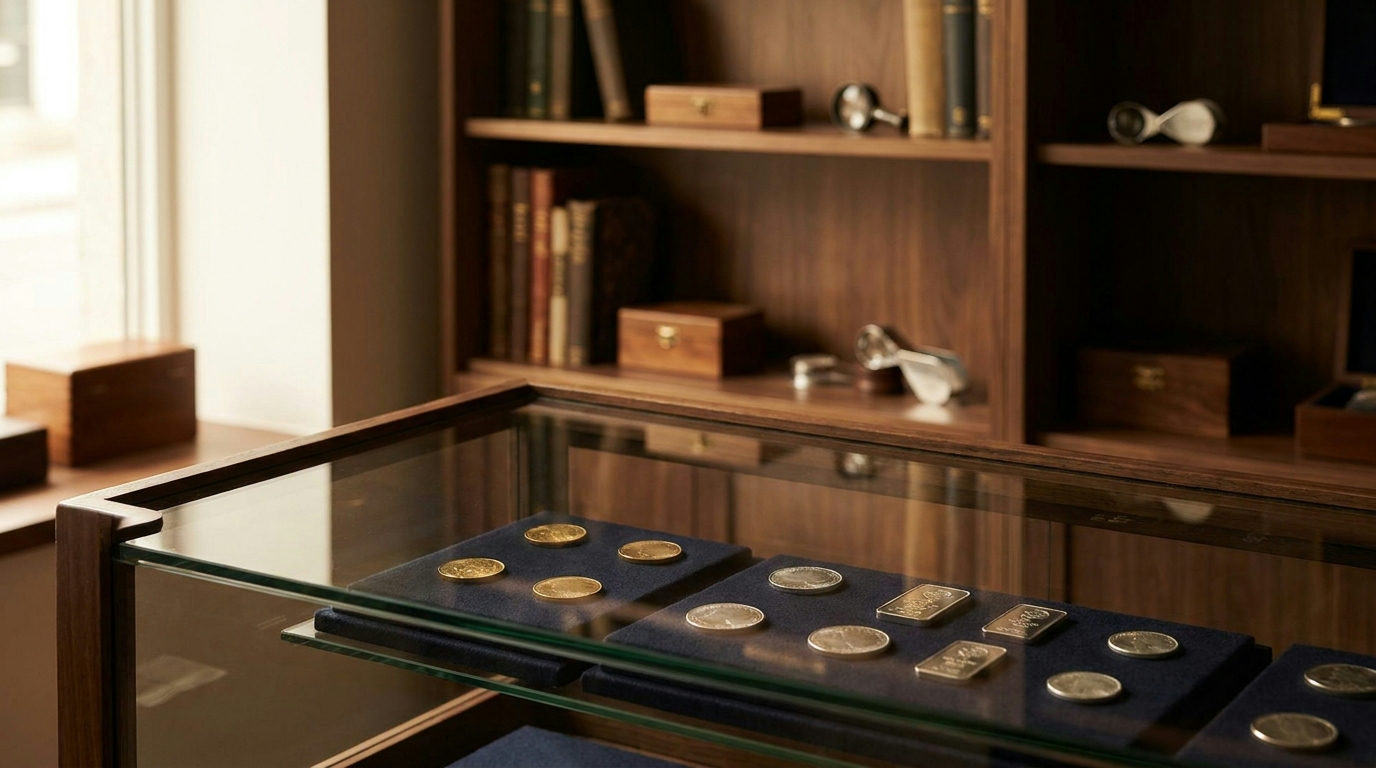
The dealer you buy from shapes almost everything about your experience with precious metals: what you pay, how quickly you receive your order, whether the product is genuine, and how easily you can sell later. Learning how to choose a bullion dealer carefully is one of the best ways to protect yourself, especially if you are new to buying gold and silver. This guide walks through what to look for, what to ask, and which warning signs should send you elsewhere.
This article is general education. It is not financial advice. Silver Gold Today may earn a commission from some links on the site; see our affiliate disclaimer.
Why the dealer matters so much
Physical gold and silver are simple products, but buying them is not always simple. Prices change through the day, premiums vary widely between sellers, and counterfeit products exist. A good dealer makes all of this easier. They publish clear prices, explain their fees, stand behind what they sell, and buy back what they sold you on fair terms. A poor dealer may do none of these things, and you may not find out until it is too late.
Because you are likely to buy and later sell through dealers, it is worth thinking of the choice as a long-term relationship rather than a one-off purchase.
Step 1: Decide what kind of dealer you need
Dealers come in a few broad types. Each suits different buyers.
- Local coin shops. You can see products in person, pay and collect on the spot, and build a relationship with staff. Selection may be smaller and prices may vary more between shops.
- Online bullion dealers. Usually wider selection and published prices that are easy to compare. You will need to wait for shipping and should check how orders are insured in transit.
- Mints and refiners selling directly. Some sell to the public, often for new releases. Selection is limited to their own products.
- Banks. Some banks in some countries sell bullion. Availability and pricing vary widely.
Many buyers use more than one type: an online dealer for regular purchases and a local shop for selling or for checking products in person.
Step 2: Check the bullion dealer’s track record
Before you place an order, do some homework. You are looking for evidence that the dealer has operated honestly for a meaningful length of time.
- Time in business. A longer history is not a guarantee, but it means the dealer has handled many orders and market conditions.
- Physical address and contact details. Legitimate dealers make it easy to reach a real person. Be cautious of businesses that only offer a contact form.
- Independent reviews. Read reviews on several independent platforms, not just testimonials on the dealer’s own site. Look for patterns in complaints, especially about late shipping, difficult refunds, or buyback problems.
- Complaint records. Many countries have consumer protection bodies or business review organizations where you can search for complaints against a company.
- Industry memberships. Some dealers belong to trade associations with codes of conduct. Membership is a useful signal, but verify it on the association’s own website rather than trusting a logo on the dealer’s page.
Step 3: Compare prices the right way
When you compare dealers, look beyond the headline price. The fairest comparison is the total cost per troy ounce of pure metal, delivered to you.
- Note the product price and the live spot price, from a source such as Kitco, at the same moment.
- Work out the premium over spot, as a percentage. Our guide to spot price vs premium explains how.
- Add shipping, insurance, and any payment method surcharges.
- Check whether sales tax applies where you live.
- Divide the total by the number of troy ounces of pure metal you receive.
A dealer with a slightly higher product price but free insured shipping can be cheaper overall than one with a lower sticker price and high delivery fees.
Step 4: Read the policies before you buy
Good dealers publish their policies clearly. Read them before your first order, not after a problem arises.
- Price lock. When is your price fixed? Many dealers lock the price when you confirm the order, which means you are committed even if the market moves.
- Payment terms. How long do you have to pay, and what happens if payment is late? Some dealers charge a fee if the market moves against them on a cancelled order.
- Shipping and insurance. Is your order insured until it reaches you? Does someone need to sign for it? How is the package labelled?
- Returns and authenticity. What happens if a product arrives damaged or you suspect it is not genuine?
- Buyback. Does the dealer buy back products, and how is the buyback price set? Is it published?
Step 5: Ask direct questions
Before a larger purchase, contact the dealer and ask a few questions. How they answer tells you a lot.
- What is the total cost of this order, including all fees, delivered to my address?
- Where do you source your products?
- How do you check products for authenticity?
- What would you pay to buy this exact product back today?
- Who do I contact if there is a problem, and how quickly do you respond?
Clear, specific, written answers are a good sign. Vague answers, pressure, or a sudden change of subject are not.
Warning signs when choosing a bullion dealer
- Prices well below the market. Genuine bullion trades close to spot. Prices far below other dealers are a major red flag for counterfeit products or non-delivery. See our guide to fake gold and silver coins.
- High-pressure selling. Phone calls urging you to buy now, limited-time offers, or warnings of imminent disaster.
- Steering toward expensive products. A dealer who pushes collectible or “special” coins when you asked for plain bullion. Our guide to bullion vs numismatic coins explains why this matters.
- Unusual payment requests. Requests for gift cards, cryptocurrency only, or wire transfers to personal accounts.
- Long delivery delays. Some delay can happen when demand is high, but repeated or unexplained delays are a concern.
- No buyback policy. A dealer unwilling to buy back what it sells deserves extra caution.
Consumer protection agencies publish general guidance on spotting sales pressure and payment scams. In the United States, FTC Consumer Advice is a useful starting point.
Start small
If you are trying a new dealer, consider placing a small first order. It lets you check the whole process, from payment to delivery to packaging, without risking much. If everything goes smoothly, you can build from there. If something goes wrong, you have learned an inexpensive lesson. Part of learning how to choose a bullion dealer is simply testing one with low stakes.
Keep records of every order: confirmation emails, invoices, and tracking numbers. They are useful for insurance, resale, and any future tax questions.
Frequently asked questions
Is the cheapest dealer always the best choice?
No. Total delivered cost, reliability, and buyback terms matter as much as the headline price. An unusually cheap price can also be a warning sign.
Should I buy from marketplaces or auction sites?
Some legitimate sellers use them, but counterfeit risk is a bigger concern there. If you do buy there, check seller history carefully and test what you receive.
How many dealers should I compare?
Comparing at least three gives you a sense of the normal range. After that, many buyers settle on one or two dealers they trust.
What should I do if a dealer does not deliver?
Contact the dealer in writing, keep records, and contact your payment provider promptly about a dispute. If that fails, report the business to consumer protection authorities where you live.
The bottom line
Knowing how to choose a bullion dealer comes down to evidence and comparison. Check the dealer’s track record, compare total delivered cost per ounce, read the policies, ask direct questions, and start with a small order. Walk away from pressure, unusually low prices, or vague answers. A trustworthy dealer will be glad to answer your questions, and that is often the clearest sign you have found one.